

Common Signs and Technical Clues to Identify a Fake Invoice
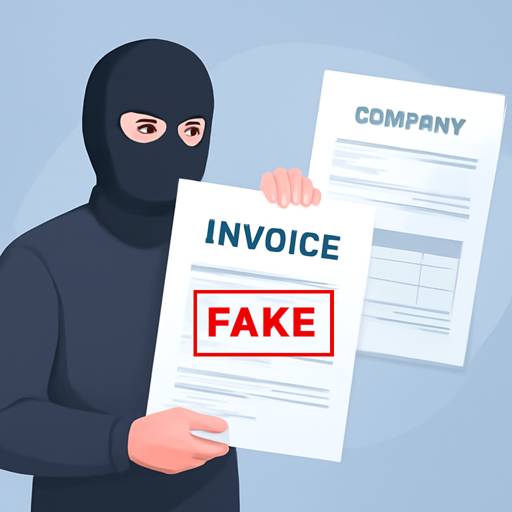
Spotting a fraudulent document often starts with the basics. Look for obvious visual inconsistencies: mismatched logos, odd spacing, unusual fonts, or poor image quality. Common linguistic errors such as incorrect vendor names, unusual phrasing, and repeated typos are classic red flags. Pay close attention to monetary amounts that don’t align with prior invoices or contract terms; a small change at the cents level can indicate a deliberate attempt to slip through fraudulent charges.
Beyond surface inspection, dig into the document’s technical footprints. Examine metadata embedded in PDFs or images—creation and modification timestamps, author fields, and software identifiers can reveal if a file was altered. Compare the invoice number format to historical patterns; anomalous sequences or duplicate numbers often signal tampering. Check bank details and payment instructions for slight variations in account numbers or Swift/BIC codes; attackers frequently substitute a single digit to redirect funds.
Advanced checks include verifying embedded signatures and digital certificates. A genuine digital signature should validate against a trusted certificate authority and show an unbroken chain of custody. Image-level manipulation can be revealed via pixel analysis and error level analysis, while OCR and text-structure analysis can uncover pasted or re-typed sections that don’t match the rest of the document. For teams looking to automate these checks, a single integrated tool can parse a file and flag anomalies—try detect fake invoice to see how automated inspection surfaces hidden inconsistencies.
Step-by-Step Verification Workflow: From Upload to Results
Establish a repeatable verification workflow to reduce human error and accelerate approvals. Begin with secure intake: centralize invoice submission so all documents are captured in a controlled environment. about : Upload
Drag and drop your PDF or image, or select it manually from your device via the dashboard. You can also connect to our API or document processing pipeline through Dropbox, Google Drive, Amazon S3, or Microsoft OneDrive.
Next, run automated checks to catch the low-hanging fruit. Verify in Seconds
Our system instantly analyzes the document using advanced AI to detect fraud. It examines metadata, text structure, embedded signatures, and potential manipulation. Automated parsing extracts line items, totals, tax calculations, and vendor identifiers for immediate cross-checking against purchase orders and receiving records.
Combine automated results with targeted manual review. Cross-reference invoice details with purchase orders and delivery receipts (the three-way match). Call the vendor using a known phone number—not the one listed on the suspect invoice—to confirm legitimacy. For high-value payments, require dual approvals and escalate to a finance manager or procurement lead before funds are released.
Get Results
Receive a detailed report on the document's authenticity—directly in the dashboard or via webhook. See exactly what was checked and why, with full transparency. Records of the verification process should be retained with the invoice, including screenshots, signature validation results, and any correspondence that corroborates the vendor’s identity.
Real-World Examples, Case Studies, and Best Practices
Real incidents illustrate how small oversights lead to big losses. In one case, a mid-size manufacturer paid a falsified invoice because the bank account looked legitimate at a glance; the fraudster had only changed two digits in the routing number. The discrepancy became apparent only when the vendor contacted accounts receivable months later. Another organization avoided a large loss when automated metadata checks revealed the invoice had been created after the purported invoice date and the embedded signature failed cryptographic validation.
Case studies consistently show that layered defenses work best. Implement a vendor onboarding process that includes verification of corporate identity, tax IDs, and bank accounts. Maintain an approved vendor list with locked billing details and require any changes to be processed through a formal change request that includes direct vendor confirmation. Train staff to recognize social engineering tactics—spear-phishing and spoofed email addresses are a common vector for sending counterfeit invoices.
Operational best practices include enforcing three-way matching, mandating dual-approval thresholds for unusual amounts, and keeping an immutable audit trail of invoice handling. Consider adopting stronger technical controls such as digital signatures, secure document repositories, and anomaly-detection models that learn typical invoice patterns and flag deviations. For organizations with high invoice volumes, integrate continuous monitoring and periodic audits to catch subtle trends that might indicate a fraud campaign.
When fraud is detected, document the incident, notify affected parties, and report to appropriate authorities. Recovering funds often depends on a rapid, documented response. Over time, combining procedural rigor, employee awareness, and smart automation makes it far more difficult for attackers to succeed and significantly reduces the risk posed by fake invoices.
